
Cooking · From the hive
Cooking with honey
Honey is one of the most useful things in the kitchen — it glazes, marinades, balances a dressing and browns a roast. Here’s how to cook with it, starting with the honey soy marinade everyone asks for.
Honey does more than sweeten. Its sugars caramelise under heat for a sticky, golden finish; its acidity and depth balance salt, chilli and vinegar; and a spoonful stirred through a dressing does the work of sugar with far more character. A jar of good raw honey earns its place next to the salt and the olive oil.
Everything below uses our own raw multifloral honey — but it works with any real honey. Start with the marinade; the rest builds from there.
Honey soy marinade
The one to know. Sweet, salty, savoury and a little sharp — it works on chicken, salmon, pork, tofu or roast vegetables, and it comes together in the time it takes to find a bowl. This makes enough for around 500g of protein.
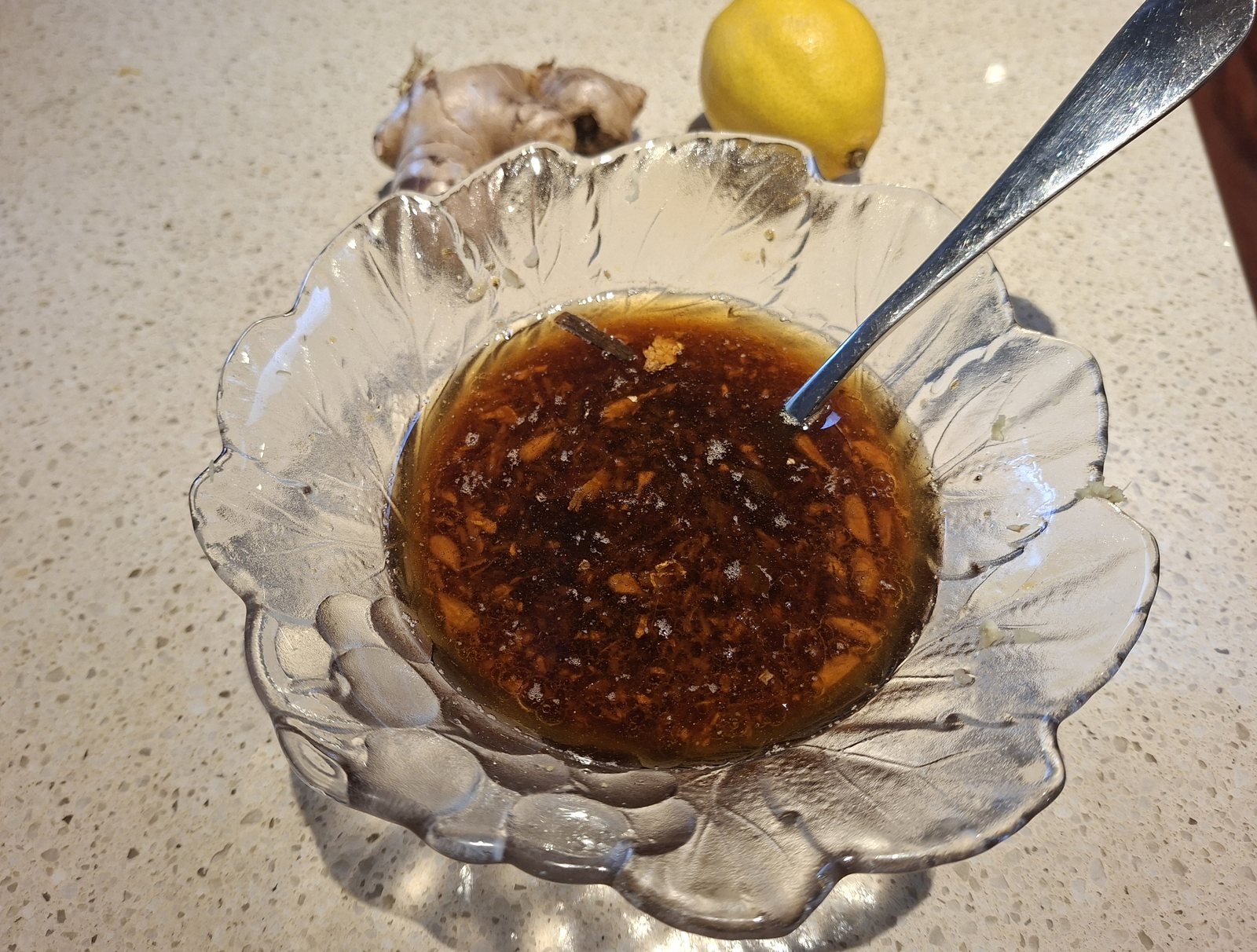
Ingredients
- 3 tbsp soy sauce
- 2 tbsp raw honey
- 1 tbsp rice vinegar (or lemon juice)
- 1 tbsp sesame oil
- 2 garlic cloves, finely grated or minced
- 1 tbsp fresh ginger, grated
- Optional: a pinch of chilli flakes or a squeeze of sriracha; sliced spring onion
Method
- Whisk everything together in a bowl until the honey dissolves into the soy.
- Add your protein or vegetables and turn to coat. Marinate 30 minutes on the bench, or up to overnight in the fridge — longer means deeper flavour.
- Cook as you like: pan-fry, grill, bake or barbecue. As it cooks, the honey caramelises into a glossy, sticky glaze.
- If you want extra sauce, simmer the leftover marinade in a small pan for a couple of minutes until it thickens, then spoon it over. (Always cook marinade that’s touched raw meat before serving.)
Tip: for the glossiest finish, brush a little extra honey over the meat in the last minute of cooking — just watch it, as honey browns fast once it catches.
More ways to cook with honey
Honey glaze (for roast veg, carrots, ham)
Whisk 2 tbsp honey with 1 tbsp olive oil or melted butter, a pinch of salt and a squeeze of lemon. Toss through carrots, parsnips or pumpkin before roasting, or brush over ham in the last 20 minutes. The honey turns the edges deep gold and sticky.
Honey mustard dressing
Whisk 1 tbsp honey, 1 tbsp Dijon mustard, 2 tbsp olive oil, 1 tbsp vinegar or lemon, and salt and pepper. That’s a salad dressing, a dip for chicken, or a sauce for roast potatoes. Because there’s no heat, this is a good place to use raw honey for its full flavour.
Honey garlic butter
Mash 2 tbsp soft butter with 1 tbsp honey and a grated garlic clove. Melt over grilled chicken or steak, stir through greens, or spread on warm bread. Sweet, savoury and done in a minute.
Honey in baking
Honey can stand in for sugar in most baking — it keeps cakes and loaves moist and adds a rounder flavour. As a rough guide, swap in about three-quarters the amount of honey for the sugar, reduce the other liquid slightly, and drop the oven around 15°C, since honey browns faster.
Honey in drinks
Honey dissolves beautifully into tea, coffee, lemon water and dressings. Stir it into something warm rather than boiling, and it keeps its character — that’s the whole idea behind a good honey water.
Which honey for which job
- Raw multifloral honey — the all-rounder. Runny enough to whisk into a marinade or dressing, full-flavoured enough to carry a glaze. This is the one that does most of the cooking. Shop raw honey.
- Creamed honey — thick, smooth and spreadable, so it’s made for toast, crumpets, porridge and anything you’d butter. It won’t drip off a knife. More on creamed honey.
- Honeycomb — for the table rather than the pan. It’s the star of a cheese board, cut straight onto the plate — wax and all. How to eat honeycomb.
Honey and heat: getting the best from it
Raw honey carries delicate aromatics and living enzymes — the character that makes it taste of a place and a season. There’s a simple way to get the most from it in the kitchen:
- To show off its flavour, add raw honey off the heat — into a dressing, over a warm (not boiling) drink, drizzled on at the end. That’s when its aroma and character come through clearest.
- To glaze, marinade or bake, honey’s natural sugars caramelise into a sticky, golden, deeply flavoured finish that nothing else quite matches. Here you’re cooking with honey for its sugars and browning — and it’s brilliant at it.
Both are honey at its best; they’re just different jobs. Keep a jar of good raw honey for finishing and flavour, and cook freely with it for everything else. The care that goes into keeping it raw is all on our raw honey standard.
Every jar we sell comes from bees we rescued across South East Melbourne, kept chemical-free and cold-extracted — the kind of honey worth cooking with. Every jar funds the next bee rescue.
Frequently asked questions
Can you cook with raw honey?
Yes — raw honey glazes, marinades and bakes just as well as any honey, and its flavour is richer. The only thing to know is that heat softens its delicate raw character, so if you want that character front and centre — in a dressing or a drink — add it off the heat. For glazes and marinades, cook away.
What is the best honey for a marinade?
A runny raw multifloral honey is ideal — it whisks straight into soy, vinegar and oil, and its sugars caramelise into a glaze as the food cooks. Our raw honey is exactly this kind of all-rounder.
Can I use honey instead of sugar in cooking?
In most cases, yes. Honey is sweeter than sugar, so use about three-quarters as much, reduce the other liquid a little, and lower the oven temperature slightly because honey browns faster. It also keeps baked goods moist and adds flavour sugar can’t.
Does heating honey ruin it?
Heat softens the delicate aromatics and enzymes that make raw honey distinctive, so for those you’re best adding it off the heat. But heating honey to cook with it — to glaze, caramelise or bake — is a genuinely great use of it; you’re simply cooking for its sugars and flavour rather than its raw character.
How long should I marinate with a honey soy marinade?
Thirty minutes on the bench gives good flavour; a few hours or overnight in the fridge gives more. Fish needs less time (30 minutes is plenty); chicken, pork and tofu are happy marinating overnight.