
From a Melbourne beekeeper
The benefits of raw honey
The honest version of raw honey benefits, from the people who make it — what it genuinely offers, where the evidence really lands, and how to get the most from every jar.
Raw honey benefits: what stays in it
The clearest of the raw honey benefits is a simple one: everything the bees put in stays in. Because raw honey is kept unheated and only coarsely strained, it holds on to its natural enzymes, traces of pollen, antioxidants, and the aromatic compounds that give it flavour. It’s the whole, complete version of what the bees made.
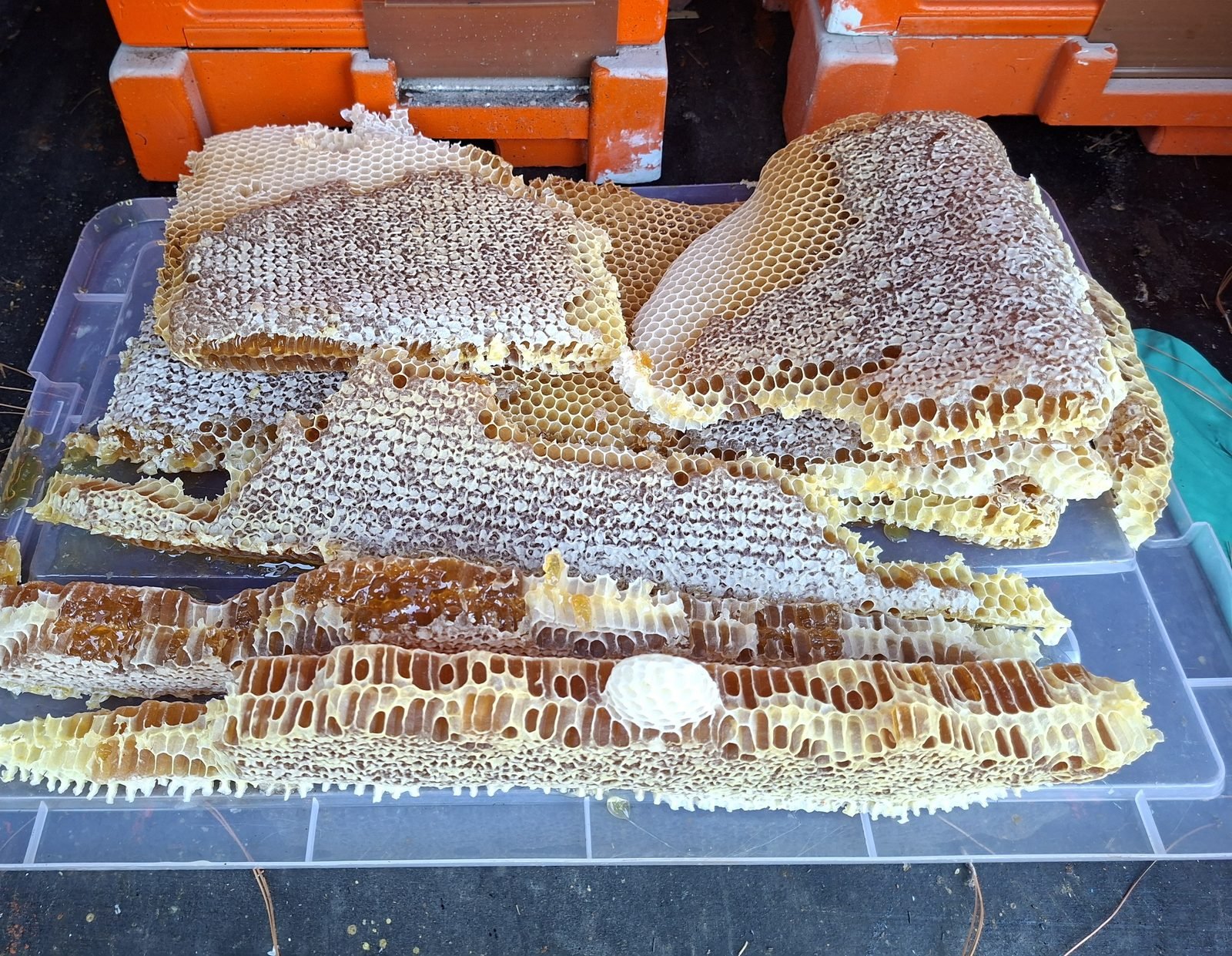
So the honest headline is simple: raw honey is the most complete, least processed version of what the bees actually made. If you’re choosing honey for what’s in it, that’s the case for raw. Here’s what “raw” actually means.
Where the evidence genuinely lands
A few uses of honey are well supported, and they’re worth knowing because they’re true:
- Soothing a cough and sore throat. This is the best-supported use. Honey’s thick texture coats an irritated throat, and reviews — including a University of Oxford systematic review published in BMJ Evidence-Based Medicine — have found honey as good as or better than some standard cough remedies for ordinary colds, with fewer side effects. It’s why a warm honey-and-lemon drink is a long-standing home remedy.
- A gentler alternative to refined sugar. Swap honey for a sugary drink or spread and you get the same sweetness with more character, and in raw honey the trace compounds intact. The genuine benefit is the swap itself.
- Antioxidants and trace nutrients. Raw honey carries antioxidants and small amounts of trace compounds from pollen. They’re really in there, and they come along free with the flavour — a welcome extra in every spoonful.
That’s the honest list of raw honey benefits — modest, real, and worth knowing precisely because it’s true.
Sorting the real from the hype
A lot gets claimed for raw honey online. Here’s where the evidence actually sits, so you can enjoy raw honey for the genuine things it offers:
- The hay-fever claim. A popular idea holds that eating local pollen eases pollen allergies. The studies are small and mixed, and the pollen behind most hay fever is wind-blown grass and tree pollen rather than the flower pollen bees collect, so the theory stays unproven. Enjoy local honey for its flavour and its locality.
- The detox claim. Your liver and kidneys do that work around the clock on their own. Where honey genuinely helps is hydration, if a warm cup of it gets you drinking more water.
- The immunity claim. The evidence points somewhere narrower and more useful: honey soothes the symptoms of a cold, a cough especially.
Every one of raw honey’s real strengths — flavour, keeping it whole, a soothed throat — is reason enough on its own.
Getting the most from it
To keep everything that makes raw honey worth choosing, one habit does it: warm, never hot. The enzymes and aromatics stay their best with gentle warmth, so stir it into a warm drink rather than a boiling one, and add it off the heat when you want its flavour. It’s the whole idea behind a good honey water, and it carries into cooking with honey too.
One safety note worth stating plainly: honey of any kind should only be given from 12 months of age, because of the small risk of infant botulism in babies under one. For everyone from a year old up, it’s a natural food to enjoy.
Ours
Every jar we sell is raw in the fullest sense: cold-extracted by hand, kept unheated, coarsely strained, and bottled in glass — so everything worth keeping stays in. It’s single-origin from bees we rescued across South East Melbourne, and the full hive-to-jar detail is on our raw honey standard.
Every jar funds the next bee rescue.
Frequently asked questions
What are the benefits of raw honey?
Raw honey’s clearest benefit is what stays in it: because it’s kept unheated and only coarsely strained, it holds on to its natural enzymes, trace pollen, antioxidants and aroma. Beyond that, honey is well supported for soothing a cough and sore throat, and it’s a more characterful alternative to refined sugar. Enjoy it as the natural food it is.
Is raw honey healthier than regular honey?
Raw honey keeps more of what the bees put in — the enzymes, pollen and antioxidants that stay intact when honey is kept unheated and unfiltered. In that compositional sense it’s the more complete product. Both are honey, so enjoy raw honey for keeping more of the good stuff in every spoonful.
Does raw honey help with a sore throat or cough?
This is honey’s best-supported use. Its texture coats an irritated throat, and research including a review in BMJ Evidence-Based Medicine has found honey as effective as or better than some standard cough treatments for ordinary colds. A warm honey-and-lemon drink is a well-founded home remedy for a mild cough or scratchy throat.
Does local raw honey help with hay fever?
A popular idea holds that it does, though the evidence stays weak — the pollen behind most hay fever is wind-blown grass and tree pollen rather than the flower pollen bees gather. Enjoy local honey for its flavour and where it’s from, and treat the hay-fever idea as a maybe rather than a given.
Can babies have raw honey?
Honey of any kind is best given only from 12 months of age, because of the small risk of infant botulism in babies under one. For everyone from a year old up, raw honey is a natural food to enjoy.